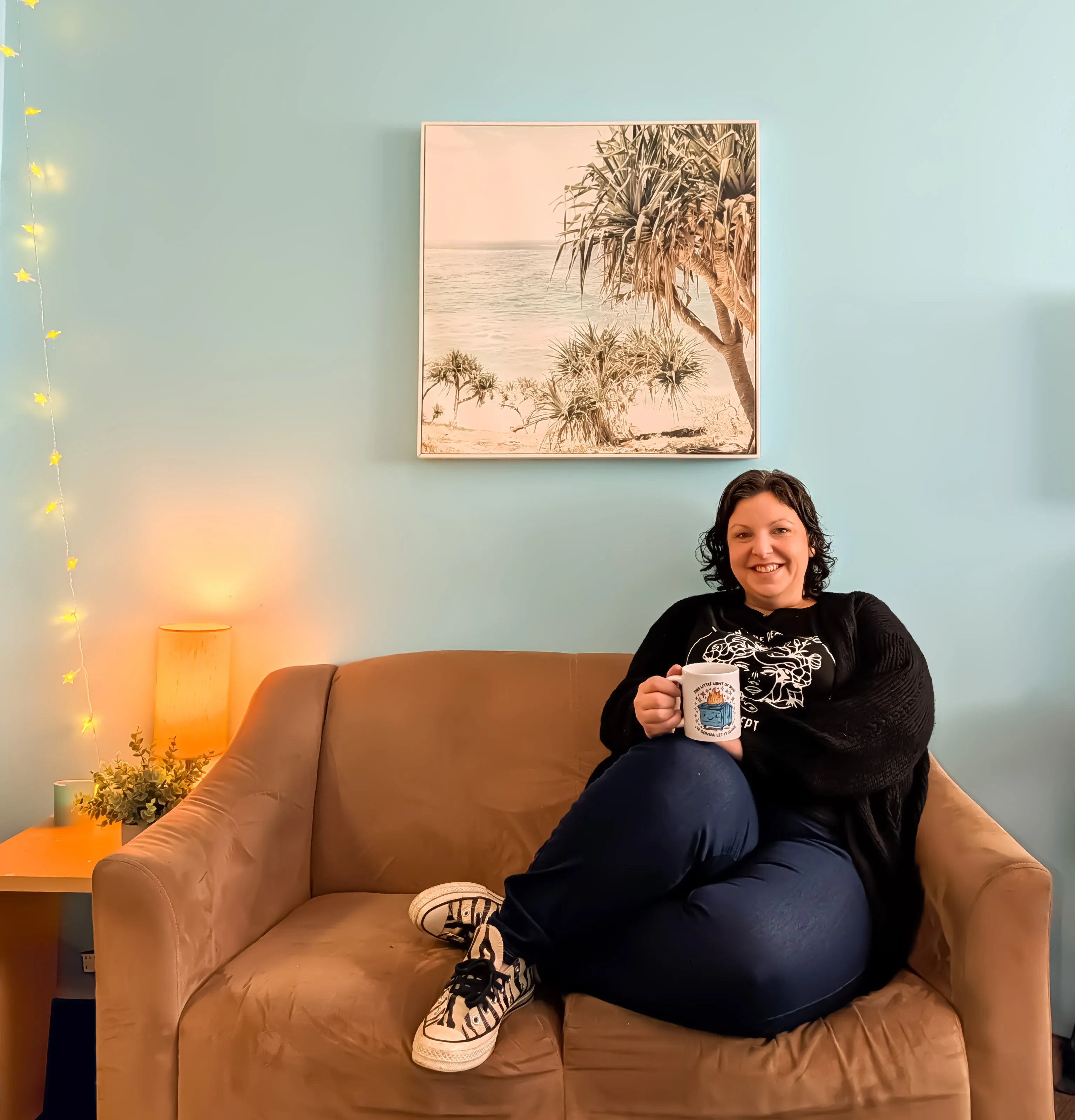
About Meghan
I’m Meghan Maynard, MA, RP — Clinical Director at Family Kinnections and a Registered Psychotherapist with more than 20 years in children’s, youth, and family mental health. I’m an approved Master of Counselling supervisor for Yorkville University, the University of Calgary, the University of Ottawa, Niagara University, and the University of Windsor, and I meet the CRPO criteria for clinical supervisor. I’ve supervised graduate counselling-psychology placements, and I supervise the clinicians on my own team.
My clinical experience spans a variety of acute settings — child and adolescent psychiatric inpatient services, crisis and student-wellness settings, schools, and private practice — most often with complex trauma, dissociation, externalizing behavioural concerns, and dual diagnosis. I work with children and youth, and with the parents raising them.
Topics
Clinicians often come to me for support with:
- Supporting autism and ADHD
- Neurodiversity-affirming practice
- Pathological Demand Avoidance (PDA)
- Parenting burnout
- Externalizing behavioural struggles
- Intergenerational trauma
- Dissociation and dissociative identity disorder
- Strengthening case conceptualization and treatment planning
- Building coherence across concerns and interventions
My perspective
I practise from a non-pathologizing stance: I understand most struggles as meaningful responses to a person’s history, nervous system, and environment — and as expressions of real neurological and developmental difference — not as defects to be corrected. At the same time, I recognize that in our current social and medical framework a diagnosis is often the key that unlocks appropriate support, funding, and accommodation — so I hold both truths at once, helping clients and clinicians navigate the diagnostic system without reducing people to it. I work comfortably with dual-diagnosed individuals, where mental health and developmental, intellectual, or neurological differences intersect.
My approach
My work is neurodiversity-affirming, trauma-informed, and polyvagal-informed. My strengths are in clinical formulation and intervention planning — making sense of a presentation through the person’s struggles, history, nervous system, and environment, and translating that into a workable plan. I hold formulation loosely, treating behaviour as communication rather than something to be managed or extinguished, and I’m openly critical of compliance-based models: supervision with me reflects that, looking at what a client’s system is protecting, not only what it’s doing. I treat the surrounding systems — family, school, services — as part of the clinical picture rather than context, since they often shape a young person’s presentation more than anything internal to them.
My approach to supervision
Supervision with me is relational and supervisee-driven. I’m direct — you’ll get honest, concrete feedback — but the agenda is yours, and we work from where you actually are. It’s reflexive and goes well beyond case discussion: we look at the dynamics in the room, what a case stirs up in you, and how your own history and lived experience shape your clinical work, just as mine shapes how I supervise. I bring my full self to that exchange and invite you to do the same, so the work supports both your competence and your sense of yourself as a clinician.
Supervision vs. consultation — and what I’m accepting now
These two arrangements are often confused, so it’s worth naming the difference. Clinical supervision is an ongoing, formal relationship in which a supervisor holds a degree of oversight of and responsibility for a supervisee’s clinical work — often tied to registration requirements, hours toward independent practice, or an employer’s accountability structure. Consultation is a collegial, advisory relationship between independent professionals: I offer perspective, depth, and a second clinical mind, but you retain full responsibility for your cases and practice.
At this time I’m accepting new consultation requests only, and am not taking on new formal supervision arrangements.
Research and teaching
Alongside practice, I hold an MA in Counselling Psychology and am a PhD candidate in Educational Studies (Cognition & Learning) at Brock University, researching parenting, the interruption of intergenerational trauma, PDA, and adolescent well-being. I teach at the graduate level and guest-lecture on PDA, working with parents, and neurodiversity-affirming, trauma-informed practice.
Certifications
- EMDR — fully trained
- Assessment and treatment of trauma and dissociation in children and youth — certified
- Safe and Sound Protocol — certified facilitator
- Brief Narrative Therapy — certificate
- Dialectical Behaviour Therapy (DBT) — certificate
- Polyvagal theory and the neurobiology of trauma treatment
- Therapeutic yoga for trauma recovery — certificate in progress
- Certified Integrative Mental Health Professional — in progress
Further training in
- Cognitive Behavioural Therapy (CBT)
- Emotion-Focused Therapy (EFT)
- Play therapy, sandtray, and art therapy
- Mindfulness approaches
- Sensory integration
- Trauma and neurodivergence
- Work with high-conflict families
- Clinical supervision